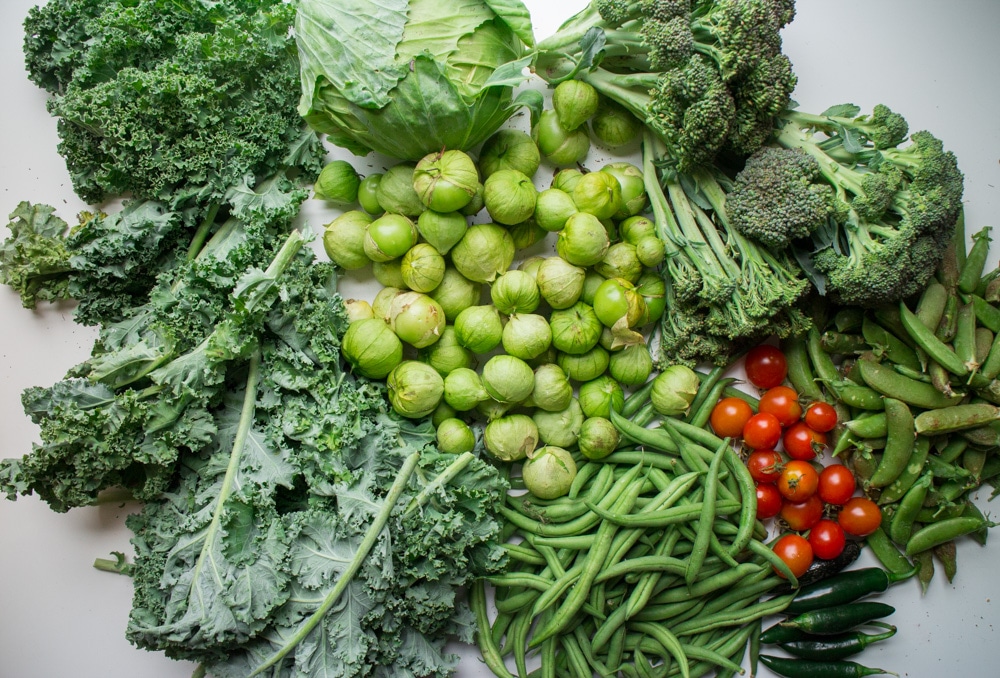
Why Our 2017 Garden Yield Dropped & Key Takeaways
Every gardener knows the thrill of a bountiful harvest, but also the humbling reality that some years simply don't measure up. The journey of growing your own food is a continuous cycle of learning, adapting, and occasionally, facing unexpected challenges. In 2017, our garden presented us with a stark example of this unpredictability. After a phenomenal 2016, where we celebrated an impressive yield, the following year saw a significant drop in our harvest. For anyone curious about *how much grew in our garden last year* compared to previous seasons, our 2017 story offers valuable insights into the multitude of factors that can influence your backyard bounty.
Our tradition involves meticulously tracking our garden's output by weighing every vegetable picked. This practice allows us to monitor trends, identify what works (and what doesn't), and learn from each growing season. While our 2016 harvest weighed in at a staggering 1147 pounds, our 2017 total came to a more modest 363 pounds and 6 ounces. This substantial difference wasn't a sign of failure but rather a reflection of deliberate choices, unforeseen circumstances, and some classic gardening curveballs.
A Closer Look at Our 2017 Garden Yield: The Numbers Game
The most immediate reason for the sharp decline in our total garden yield between 2016 and 2017 can be attributed to a shift in our planting strategy – or rather, a lack of certain high-volume crops. In 2016, a significant portion of our harvest weight came from just two particular giants: pumpkins and watermelon. That year, we grew almost 400 pounds of pumpkins alone! These large, heavy fruits are fantastic for boosting overall yield statistics, but they also demand considerable space and attention.
In 2017, we chose not to dedicate garden space to either pumpkins or watermelon. This decision, while perhaps reducing our raw poundage, was a conscious one influenced by factors we’ll delve into shortly. It highlights a crucial point for any gardener: your overall yield numbers are heavily dependent on the types of crops you choose to cultivate. If your goal is maximum poundage, then heavy, sprawling plants like squash, melons, and gourds are your best friends. If your focus is on a diverse array of fresh produce for daily consumption, the numbers will naturally look different.
Beyond crop selection, another major life event played a pivotal role in shaping our 2017 gardening experience and, consequently, our harvest totals.
The Unseen Influences: Life, Time, and Priorities
Gardening isn't just about soil, sun, and water; it's deeply intertwined with the rhythm of life itself. For us, the biggest "unseen influence" on our 2017 garden was the arrival of a new baby in July. Anyone who has welcomed a newborn into their home knows that it dramatically shifts priorities, time, and energy levels. The intensive care and constant vigilance that a thriving garden often demands suddenly takes a backseat to feeding schedules, diaper changes, and precious moments of rest.
This meant less time for meticulous weeding, diligent pest inspection, regular watering (especially during dry spells), and even the simple joy of leisurely harvesting. The growing season, particularly the critical summer months, coincided directly with the demanding early weeks of parenthood. What might have been an afternoon spent trellising tomatoes or succession planting, became an hour-long nap for a tired parent.
For gardeners facing similar life changes – whether it's a new family member, a demanding job, or other significant commitments – our experience offers a few key takeaways:
*
Be Realistic: Adjust your gardening goals to match your available time and energy. It's okay to scale back for a season.
*
Prioritize High-Impact Crops: Focus on vegetables that offer the best return for your effort or those your family loves most.
*
Embrace Automation: Consider drip irrigation systems or smart timers to handle watering, one of the most time-consuming tasks.
*
Simplify Varieties: Instead of experimenting with many new crops, stick to tried-and-true favorites that you know perform well in your climate.
Understanding these broader influences helps put the numbers into perspective. Our 2017 garden wasn't a failure; it was a testament to resilience and adaptation, proving that even with life's biggest changes, the joy of growing can persist, albeit in a modified form. For a deeper dive into the overall results and the journey of that year, you can read our detailed
Our 2017 Garden Harvest Report: Pounds, Pains, and Progress.
Lessons from the Soil: Triumphs and Tribulations of Our 2017 Crops
Despite the overall drop in yield and the significant life changes, our 2017 garden was a valuable learning experience, filled with both unexpected successes and frustrating setbacks. Each plant told a story, offering insights into what worked and what needs refining for future seasons.
Cultivation Victories: What Flourished in 2017
Even with less dedicated time, several crops truly shone, proving their resilience and earning a permanent spot in our garden plan:
*
Celery: A New Staple! For the first time, we successfully grew celery, and it quickly became a garden favorite. Its crisp stalks and fresh flavor made it an instant success, demonstrating that sometimes, trying something new yields the most delightful surprises. This crop will definitely be a staple moving forward.
*
Cauliflower's Comeback: We had decided to give cauliflower one last chance in 2017, and it didn't disappoint! We experienced our biggest cauliflower growing success yet, proving that persistence and perhaps a little bit of "tough love" can sometimes turn a struggling crop into a star performer.
*
Potatoes Performed Admirably: Our potatoes, grown in half a bed, did exceptionally well. Their consistent yield and relative ease of growth meant they were a rewarding crop. Our plan for next year? Dedicate an entire bed to them to maximize our harvest of this versatile vegetable.
*
Sugar Snap Peas Delivered: These sweet, crunchy delights produced nicely, providing us with over 20 pounds of fresh peas. They are a fantastic early-season crop that offers quick gratification and a good yield for the space they occupy.
*
Roma Tomatoes Reigned Supreme: Of the three types of tomatoes we cultivated, Roma tomatoes provided the biggest yield by far. Their prolific nature and suitability for canning made them a clear winner. This success has led us to consider streamlining our tomato varieties, perhaps focusing on just one or two types that we love and can preserve the most.
*
Tomatillo Tsunami: Our tomatillo plants did almost *too* well, yielding over 50 pounds! While it's fantastic to have a productive crop, 50 pounds of tomatillos is a lot, even for enthusiastic salsa makers. This was a valuable lesson in managing over-enthusiastic producers and planning for surplus.
*
Jalapeño Jamboree: Similar to the tomatillos, our jalapeño plants were incredibly fruitful, producing way too many peppers. While we love the heat, finding uses for such a massive quantity required some creative thinking and sharing with friends and neighbors.
Learning from Setbacks: Where the Garden Fell Short
Not every plant thrives, and sometimes, even well-intentioned efforts result in disappointment. Our 2017 garden also presented us with several notable setbacks that provided crucial learning opportunities:
*
The Peanut Predicament: My excitement to grow peanuts for homemade peanut butter was met with utter failure. Only one plant sprouted! This mystery needs further investigation, perhaps relating to soil conditions, seed viability, or specific growing requirements that weren't met. The quest for homegrown peanut butter continues!
*
The Corn Apocalypse: This was arguably the most heartbreaking garden tragedy of 2017. We dedicated an entire bed to corn, and it was flourishing beautifully – ears were market-sized, and it promised to be the best corn we had ever grown. We decided to let it sweeten up for just a few more days. In those critical days, animals, likely raccoons, breached our fence and absolutely *destroyed* about 100 ears of corn. Watching the devastation and seeing the emotional impact on my husband was truly upsetting. We need to implement more robust pest deterrence strategies next season to protect our prized crops.
*
Green Pepper Performance Anxiety: While not a complete failure, our green peppers haven't produced massive fruits in a few seasons. We've seen larger peppers when grown in buckets on a rooftop, suggesting that our current garden conditions or variety might not be ideal. This prompted us to seek recommendations for new green pepper varieties that thrive in similar climates. It’s a reminder that sometimes, a change in genetics is all a plant needs to flourish.
*
Brussels Sprouts, Too Little Time: One of my personal favorites, Brussels Sprouts, simply didn't have enough time to mature properly in 2017. They did wonderfully in 2016, which points to the impact of the condensed growing season due to our life changes. Proper timing and an early start are crucial for these slow growers. We're optimistic for their return to glory this year!
These stories of triumph and tribulation offer valuable insights for any gardener. To dive deeper into the specific crop performances and their individual journeys, explore our article:
From Bust to Bounty: Our Best & Worst 2017 Garden Crops.
Key Takeaways for Every Gardener: Cultivating Resilience
Our 2017 gardening season, while yielding fewer pounds overall, was rich in lessons that extend beyond just the numbers. It underscores the dynamic nature of gardening and the profound influence of both natural and personal factors.
1.
The Value of Tracking: Knowing *how much grew in our garden last year* provides invaluable data. Consistent tracking helps identify trends, evaluate crop performance, and make informed decisions for future seasons. It turns gardening into a continuous scientific experiment.
2.
Life Happens, Gardens Adapt: Major life events will inevitably impact your gardening capacity. Learning to adapt, scale back, and be flexible is crucial for maintaining the joy of gardening without added stress.
3.
Pest Management is Paramount: The corn tragedy served as a brutal reminder that proactive pest deterrence is non-negotiable, especially for high-value crops. Invest in robust fencing, deterrents, or other protective measures.
4.
Variety Selection Matters: Some crops thrive in certain conditions or with specific varieties. Don't be afraid to experiment with new strains or seek recommendations from local growers to find what works best for your microclimate and soil.
5.
Embrace Experimentation: Trying new crops, like our celery success, can lead to delightful discoveries. Even "failures" like the peanuts offer learning opportunities.
6.
Manage Your Bounty: For highly productive crops like tomatillos and jalapeños, planning for preservation (canning, freezing) or sharing is essential to avoid waste and make the most of your harvest.
7.
Timing is Everything: For slow-growing vegetables like Brussels sprouts, understanding their growth cycle and ensuring they have adequate time in the ground is critical for success.
In conclusion, our 2017 garden yield may have seen a significant drop, but the season was anything but a failure. It was a powerful lesson in resilience, adaptability, and the enduring passion for growing. Every year in the garden is a fresh start, a new opportunity to apply what we've learned, and a chance to cultivate not just vegetables, but also wisdom and patience. We look forward to continuing our gardening journey, armed with these insights, ready for whatever the next season may bring.