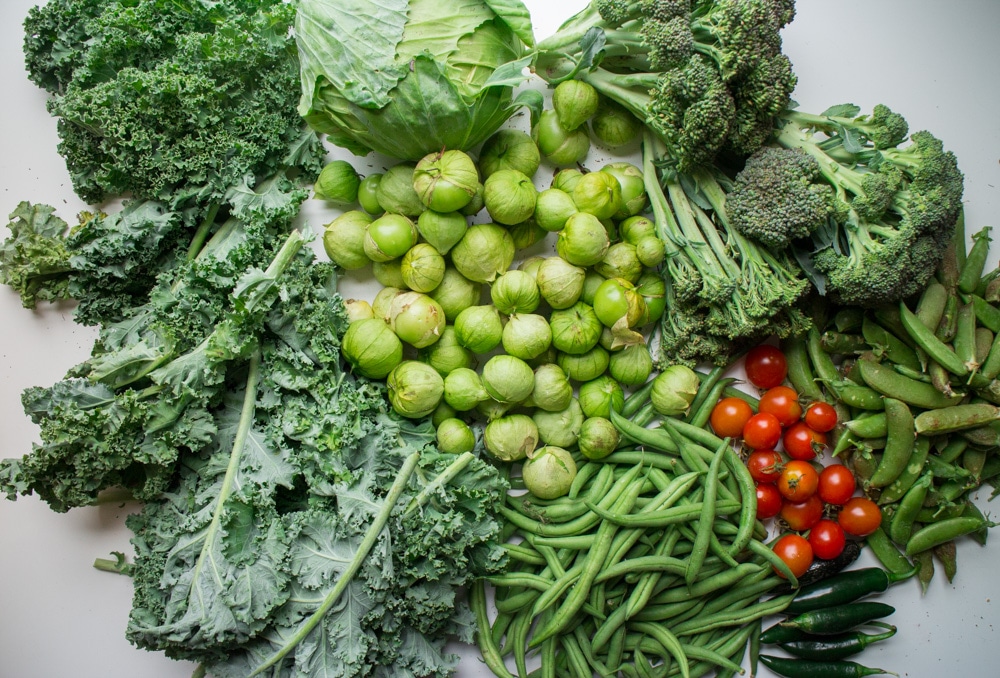
Our 2017 Garden Harvest Report: Pounds, Pains, and Progress
As dedicated home gardeners, one of our most cherished traditions each year is meticulously tracking the bounty our garden provides. Every vegetable picked is weighed, logged, and celebrated, offering invaluable data on what thrives in our unique climate and soil. This practice allows us to reflect, learn, and plan for even more productive seasons ahead. So, let’s dive into our detailed breakdown and discover just here's much we grew in the garden last year in 2017!
The 2017 growing season was, in many ways, a year of significant contrasts. We experienced some incredible first-time successes and celebrated robust yields from old favorites. However, it also came with its fair share of challenges, unexpected setbacks, and a drastic shift in our overall output compared to previous years. It was a true testament to the dynamic nature of gardening, where every season writes its own story.
The Numbers Game: Our 2017 Garden Yield & The Big Picture
After all the picking, weighing, and tallying, the grand total for our 2017 garden harvest was (drumroll, please) an impressive 363 pounds and 6 ounces of fresh vegetables! This figure represents a monumental effort and countless hours spent nurturing our plants from seed to harvest.
While we are incredibly proud of this achievement, it’s impossible to ignore the significant drop from our previous year’s astounding 1,147-pound harvest in 2016. At first glance, such a dramatic difference might seem disheartening, but understanding the context reveals a clear, human-centric reason. For a deeper dive into the factors behind this shift, you might be interested in our dedicated analysis: Why Our 2017 Garden Yield Dropped & Key Takeaways.
The primary drivers behind this reduced yield were simple yet profound:
- No Pumpkins: In 2016, our pumpkin patch alone contributed almost 400 pounds to our total. Consciously deciding to skip them in 2017 immediately accounted for a substantial portion of the difference.
- No Watermelon: Similar to pumpkins, watermelons are heavy hitters that add significant bulk to any harvest report. We opted out of growing them this year.
- A New Addition to the Family: Perhaps the most impactful change of all – we welcomed a new baby in July! This beautiful life event, while joyous, fundamentally reshaped our priorities and time commitments during the peak growing season. The intense demands of newborn care meant less time for meticulous garden tending, pest control, and aggressive planting/harvesting schedules. It’s a gentle reminder that life happens, and sometimes, the garden has to adjust.
Despite the lower overall tonnage, the quality and diversity of our 2017 harvest were truly exceptional, featuring some exciting new successes and valuable lessons.
Bountiful Breakthroughs: What Flourished in 2017
Every year brings new experiments and triumphs, and 2017 was no exception. Here���s what truly shined in our beds:
First-Time Favorites & Stellar Performers
- Celery Success! For the very first time, we successfully grew celery from seed to stalk. It proved to be a remarkably rewarding crop, yielding crisp, flavorful stalks that elevated many of our home-cooked meals. It’s safe to say celery has earned its place as a permanent staple in our garden rotation. Tip: Ensure consistent moisture and fertile soil for robust celery growth.
- Cauliflower's Grand Comeback: We had almost given up on cauliflower after several mediocre seasons. However, we decided to give it one last chance in 2017 – and it must have heard us! This year delivered our biggest and most beautiful cauliflower harvest ever. The heads were substantial, firm, and absolutely delicious. This success reinforced the idea that sometimes, persistence and slight adjustments (perhaps a new variety or improved soil amendment) can turn a 'failure' into a 'favorite.'
- Potatoes Power Through: Our potato patch, occupying half a garden bed, performed admirably. The tubers were healthy and abundant, leading us to confidently plan for an entire bed dedicated to potatoes next season. Actionable Advice: Consider mounding soil around potato plants as they grow to encourage more tuber formation.
- Sugar Snap Peas: A Sweet Yield: These delightful peas produced nicely, providing us with over 20 pounds of sweet, edible pods. They were perfect for fresh snacking, stir-fries, and light steaming. Their relatively low maintenance and high yield make them a spring garden favorite.
Reliable Yields (Maybe Too Reliable!)
- Roma Tomatoes Reign Supreme: Among the three types of tomatoes we cultivate, our Roma tomatoes were, by far, the biggest yielders. Their robust production and ideal shape make them perfect for canning and sauces. Moving forward, we're considering focusing solely on Roma tomatoes for canning purposes, simplifying our tomato efforts to maximize what we love and can preserve most efficiently.
- Tomatillos Gone Wild: Our tomatillo plants outdid themselves, producing over 50 pounds! While we appreciate their unique flavor for salsas and sauces, even we admit this was an overwhelming amount. We spent considerable time processing them, learning that sometimes, moderation in planting is key.
- Jalapeño Jamboree: Much like the tomatillos, our jalapeño plants were incredibly prolific. We harvested an abundance of fiery peppers, more than we could possibly use fresh. This year highlighted the need for better planning regarding pepper preservation methods, be it pickling, dehydrating, or freezing.
For a side-by-side comparison of our hits and misses, check out: From Bust to Bounty: Our Best & Worst 2017 Garden Crops.
Hurdles and Heartaches: Our 2017 Garden Setbacks
Gardening isn't always smooth sailing, and 2017 presented its own unique set of challenges and disappointments, offering valuable lessons along the way.
The Pains of Disappointment
- Peanut Bust: My much-anticipated experiment with growing peanuts to make homemade peanut butter was a complete and utter bust. Despite my excitement, only a single plant emerged. This failure has fueled my determination to investigate further – perhaps soil composition, planting depth, or specific variety selection were at fault. I shake my fist at you, peanuts, I will be back!
- The Green Pepper Puzzle: Our green peppers weren’t a total failure in terms of growth, but they continued a multi-season trend of not producing the massive, meaty peppers we once enjoyed. When we grew them in buckets on our roof, they were enormous, but in the ground, they've been less successful lately. This suggests it's time to research new varieties better suited to our current climate and soil conditions. Seeking recommendations: If you grow peppers in a similar climate and have a fantastic, robust green pepper variety, please share your insights!
- Brussels Sprouts: A Race Against Time: One of my all-time garden favorites, Brussels sprouts, simply didn't have enough time to mature this past year. They thrive in cooler weather and require a long growing season, which our schedule (and the baby's arrival) unfortunately didn't fully accommodate. They did magnificently in 2016, so I'm holding out hope for a triumphant return this year with earlier planting.
The Corn Apocalypse: A Garden Tragedy
Then there was the corn. Oh, the corn! This story is a poignant mix of success and heartbreaking failure. We dedicated an entire bed to corn this year, and it was growing magnificently. The stalks were strong, and the ears were developing beautifully – truly farmer's market quality and hands down the best corn we had ever cultivated. We were brimming with excitement, anticipating a huge, sweet harvest.
One weekend, after a careful inspection, we decided the corn needed just a few more days on the stalk to sweeten up to perfection. We could have picked it then, but no, we opted for patience. It was a decision we would soon regret deeply. In those mere few days, disaster struck. Animals, which we suspect were raccoons due to the sheer destructive power, managed to bypass our otherwise high garden fence and annihilated approximately 100 ears of corn. It was a complete corn apocalypse.
Watching my husband relay the news of his beloved corn's destruction was truly heartbreaking. The stalks were knocked down, the ears ravaged – a scene of utter devastation. We've ruled out birds due to the scale of the damage and the fact that nothing tunneled under the fence. This tragedy has highlighted an urgent need to re-evaluate our pest deterrent strategies for next year, especially for high-value, vulnerable crops like corn.
Plotting for Progress: Lessons Learned and Looking Ahead
Reflecting on how much we grew in the garden last year, 2017 was an invaluable learning experience. It taught us that even with years of gardening under our belts, every season brings new variables – from weather patterns to personal life changes – that influence the outcome. The primary takeaway is adaptability.
We've learned to be more flexible with our planting plans, acknowledging that sometimes less is more, especially when balancing garden duties with other life priorities. The successes, like our celery and cauliflower, motivate us to keep experimenting and refining our techniques. The failures, particularly the corn, underscore the critical importance of robust pest management and proactive measures.
For the coming seasons, we're focused on enhancing our garden's resilience. This includes investing in more formidable animal deterrents, strategically selecting varieties known for their hardiness in our climate, and continuing our commitment to healthy soil practices. We'll also streamline our tomato production for canning, ensure earlier planting for long-season crops like Brussels sprouts, and redouble our efforts to solve the peanut mystery!
Gardening is an ongoing journey of growth, literally and figuratively. Each year, we cultivate not just vegetables, but also patience, problem-solving skills, and a deeper connection to nature's rhythms. We eagerly anticipate what the next season will bring, armed with the wisdom gained from our 2017 harvest – pounds, pains, and all the progress.
