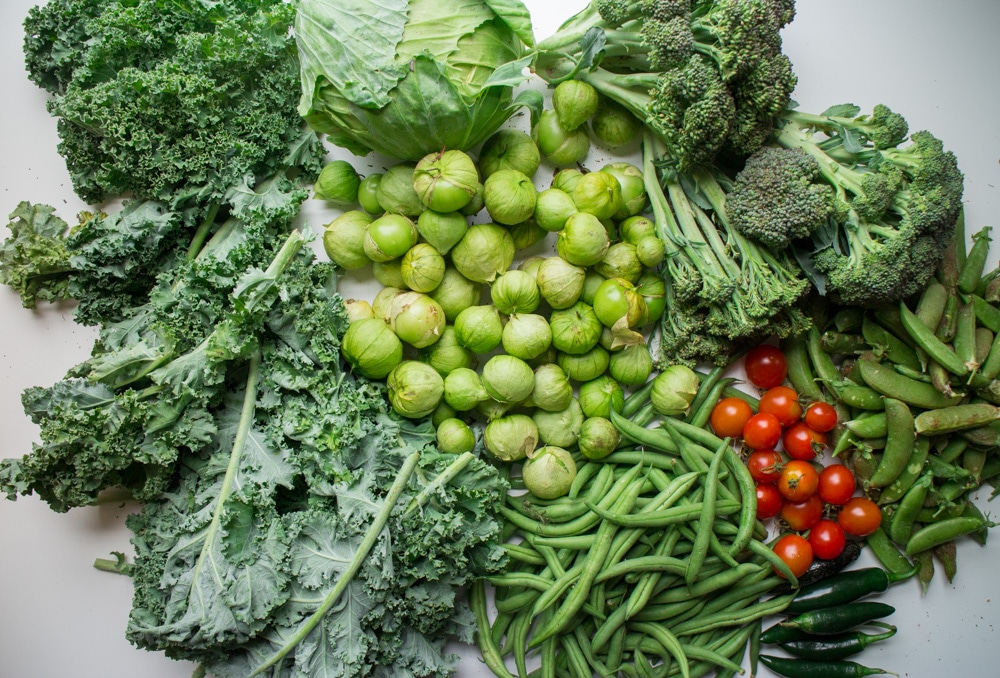
From Bust to Bounty: Unpacking Our 2017 Garden Harvest & What We Learned
Every gardener knows the bittersweet thrill of looking back at a season, evaluating triumphs and tribulations. It's a fundamental part of the journey, allowing us to learn, adapt, and dream bigger for the years ahead. Here at our urban garden, we diligently track our yields, weighing every vegetable as it comes off the vine. If you're like us, you're constantly reflecting on your gardening efforts, asking yourself, "heres much grew garden last year, and what were the standout moments?" Today, we’re diving deep into our 2017 garden report, a year that, despite a significant drop in overall yield, was incredibly rich in lessons, surprising successes, and a few memorable heartbreaks.
Our commitment to documenting our harvests, year after year (from 2014, 2015, 2016, and now 2017), provides invaluable insights. While the raw numbers tell one story, the nuanced details of each crop's performance paint a far more complete picture of what really happened in the soil.
The Grand Total: A Surprising Dip in 2017's Bounty
Let's get straight to the numbers that initially raised an eyebrow. In 2017, our garden produced a total of 363 pounds and 6 ounces of fresh vegetables. This was a notable decrease from our monumental 2016 harvest, which tipped the scales at an astounding 1147 pounds! A difference of over 700 pounds is certainly significant, and understanding the reasons behind this shift is crucial for any gardener looking to optimize their efforts.
There were three primary factors contributing to this substantial drop, each offering its own set of insights for future garden planning:
- Strategic Crop Choices: The biggest impact came from our decision not to plant large, heavy crops like pumpkins and watermelon. In 2016, pumpkins alone accounted for nearly 400 pounds of our total yield! While incredibly satisfying to grow, these behemoths demand significant space and time. Our focus shifted, and consequently, so did the overall weight. This highlights an important lesson: if raw poundage is your goal, include heavy, large-fruit crops. If variety, convenience, or specific culinary needs are paramount, your total yield will naturally reflect that.
- A New Addition to the Family: Perhaps the most impactful, and certainly the most joyful, reason for the change in our growing season was the arrival of our baby in July. Anyone who has welcomed a newborn knows the dramatic shift in priorities and available time. Intensive garden maintenance, frequent watering, and meticulous harvesting naturally took a backseat to baby care. This underscores the need for flexibility and understanding that life events will inevitably influence your garden's output. Sometimes, a smaller, more manageable garden is a happy garden.
When we looked at heres much grew garden last year, especially compared to the monumental 2016 harvest, these factors provided clear explanations. For a deeper dive into the specifics of this reduction and what it taught us, you might find our companion article, Why Our 2017 Garden Yield Dropped & Key Takeaways, particularly insightful.
Triumphs in the Tiller: Our 2017 Garden Success Stories
Despite the overall reduction in weight, 2017 was a banner year for several crops, proving that quality and new experiences often trump sheer quantity. These successes have cemented their place in our garden for years to come.
Celery: A New Staple Emerges
We grew celery for the very first time in 2017, and it was an undeniable success! The stalks were crisp, flavorful, and incredibly productive. It has now earned its permanent spot in our garden plan. Tip for Home Gardeners: If you've never tried growing celery, we highly recommend it. It thrives in cooler weather and consistently moist soil, offering a fresh, homegrown crunch that store-bought varieties often lack.
Cauliflower: Redemption on the Stalk
Before 2017, cauliflower had been a challenging crop for us. We even considered making this its "last chance" year. Perhaps it heard us! This season delivered our biggest cauliflower success to date, with beautiful, tight heads. This experience reinforced the idea that sometimes, persistence, slight adjustments to growing conditions, or even just a bit of luck can turn a struggling crop into a star. Don't give up on a challenging vegetable too quickly!
Potatoes: Abundant and Easy
Our potatoes performed exceptionally well in 2017, despite being planted in only half a garden bed. The yield was impressive for the space they occupied, providing us with a steady supply of fresh spuds. Next year, we're dedicating an entire bed to them, confident in their productivity. Growing Tip: Potatoes are surprisingly easy to grow and incredibly rewarding. They appreciate loose, well-draining soil and consistent moisture. Hilling them up as they grow helps prevent greening and boosts yield.
Sugar Snap Peas: Sweet Snaps Galore
The sugar snap peas produced nicely, yielding over 20 pounds of sweet, crunchy pods. This is always a garden favorite, providing continuous harvests throughout their season. They're perfect for snacking right off the vine or adding to stir-fries.
Tomatoes (Roma): Our Canning Champion
Of the three types of tomatoes we grew, the Roma tomatoes were the undisputed champions, delivering the biggest yield by far. We primarily use Roma tomatoes for canning, sauces, and preserving. Their prolific nature led us to consider a strategic shift: next year, we're likely to focus almost exclusively on Roma tomatoes, as they best serve our preservation needs and preferences. Gardener's Insight: Understanding your family's consumption habits and preservation methods should guide your crop selection. Don't just grow what's popular; grow what you love and will use.
Tomatillos & Jalapenos: Abundance Overload
Both our tomatillo and jalapeno plants were exceptionally vigorous, perhaps even *too* good! We harvested over 50 pounds of tomatillos, which, even for an avid canner, was a staggering amount. Similarly, the jalapeno plants were bursting with peppers. While a fantastic problem to have, it highlighted the importance of accurate yield predictions for planning. Harvest Management: When faced with an overwhelming harvest, consider freezing, dehydrating, or sharing with friends and neighbors. Tomatillos make excellent salsa verde, and excess jalapenos can be pickled or dried for later use.
Lessons from the Loamy Ground: 2017's Garden Challenges and Setbacks
No garden season is without its hurdles. These "failures" are often the most potent teachers, pushing us to problem-solve and adapt.
Peanuts: The Great Bust
One of my personal excitements for 2017 was growing peanuts, with the ambitious goal of making our own peanut butter. Unfortunately, this was a complete bust. Only one sad plant even emerged from the soil. This failure demands further investigation – was it seed viability, soil conditions, planting depth, or something else entirely? Future Plan: The quest for homegrown peanut butter isn't over. This year, we'll be researching thoroughly and attempting peanuts again, perhaps with different varieties or growing methods.
CORN! CORN! CORN!: A Sweet Success Turned Bitter Tragedy
Our corn story from 2017 is a tale of both triumph and crushing disappointment. We dedicated an entire bed to corn, and it was thriving! The ears were market-sized, sweet, and hands down the best corn we had ever grown. We felt incredibly excited, deciding to let them sweeten up for just a few more days before harvesting. This slight delay proved catastrophic. Over a single weekend, animals, which we suspect were raccoons, decimated about 100 ears of corn. It was a true "corn apocalypse." Watching a loved one recount the destruction of their prized crop is a heartbreaking reminder of nature's power. Despite our high fence, these critters found a way, knocking down stalks with surprising force. Pest Control Lessons: This incident highlighted the urgent need for more robust animal deterrence. For future seasons, we're exploring electric fencing, stronger physical barriers, or even motion-activated deterrents to protect our vulnerable crops.
Green Peppers: A Search for Size
Our green peppers weren't a complete failure – they did grow and produce. However, we haven't harvested truly massive green peppers in a few seasons. We recall growing impressively large peppers when we had a rooftop garden and used buckets. This leads us to question if our current garden bed conditions or the variety we're using is best suited for our climate and soil. Seeking Advice: We're actively looking for new, robust green pepper varieties that thrive in conditions similar to ours. Do you have any recommendations for large, productive green peppers?
Brussels Sprouts: Not Enough Time
Brussels sprouts, a perennial favorite, simply didn't have enough time to mature this past year. They require a long growing season, and factors like a late start or early cool weather can cut their potential short. They performed beautifully in 2016, so we know they can thrive here. Season Planning: This was a clear reminder to be meticulous about planting times and understanding the specific requirements of long-season crops to ensure they have ample opportunity to reach their full potential.
Cultivating Knowledge: Key Takeaways and Future Garden Plans
Our 2017 garden season, much like any year in gardening, was a journey of continuous learning. From the initial excitement of planting to the final harvest, every success and setback offered valuable insights. It reinforced the idea that gardening is not just about growing food; it's about observing, experimenting, adapting, and finding joy in the process.
- Adaptability is Key: Life happens, and your garden plan needs to be flexible. Don't be afraid to scale back or change your focus when circumstances shift.
- Track Your Progress: Weighing harvests and keeping notes on what worked (and what didn't) provides a tangible record of your efforts and helps inform future decisions.
- Embrace Experimentation: Trying new crops like celery can lead to wonderful discoveries.
- Learn from Failures: Each "bust" is a lesson in disguise, pushing you to research and improve.
- Protect Your Investment: Proactive pest and animal control is paramount, especially for prized crops.
Looking ahead, we're eager to implement the lessons learned. More potatoes, a focused approach on our favorite tomato variety, and a robust strategy for animal deterrence are already on the drawing board. To get a full picture of our journey through successes and setbacks, refer to our comprehensive Our 2017 Garden Harvest Report: Pounds, Pains, and Progress.
Every year in the garden is a fresh start, a new opportunity to sow seeds of knowledge alongside our vegetables. What were your best and worst crops last year? We’d love to hear your stories and insights in the comments below!
